 Back to news
Creating value and sharing insights at the ECE 2026
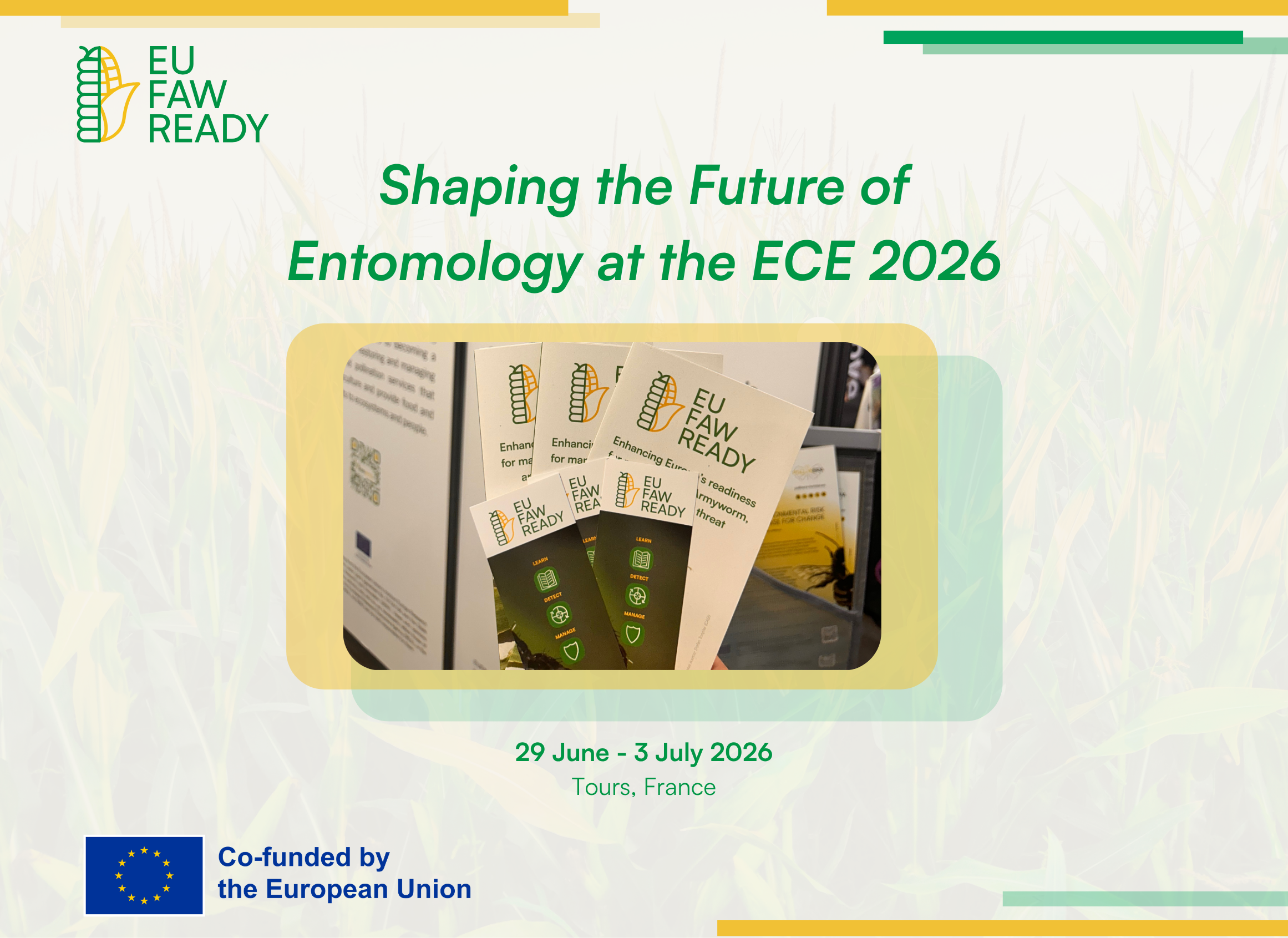
Last week, EUFAWREADY was in the spotlight of the XIII European Congress of Entomology (ECE 2026) quite a few times!
A few representatives from some of our partner organisations shared their research and insights during the major international congress with over 1500 attendees. Across the five days, the project’s consortium members delivered presentations focusing on how to most effectively communicate scientific results, biological pest control, sustainable agriculture, and methods to predict where the Fall Armyworm (FAW) might appear. Participating in the ECE 2026 was an important milestone, as it allowed for networking and the exchange of knowledge and ideas, which are key when tackling the spread of an invasive pest across the whole continent.
The congress’s visitors and participants who were particularly interested in sustainable agricultural practices and integrated pest management had plenty of opportunities to dive deep into our research by visiting any of the dedicated sessions:
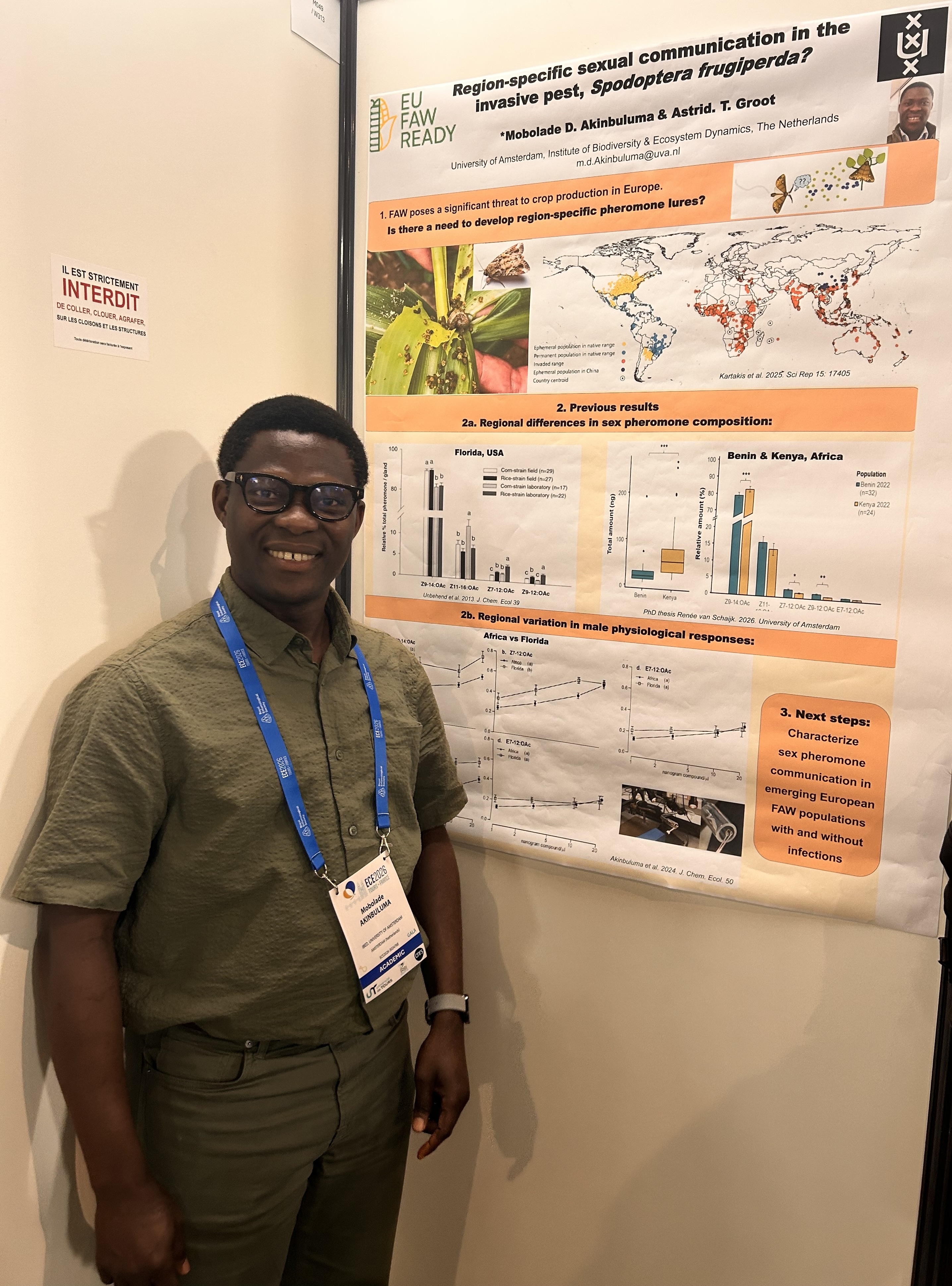
Mobolade Akinbuluma (University of Amsterdam) held a poster presentation on region-specific sexual communication patterns in the invasive FAW.
Nikolay Mehandzhiyski (Pensoft Publishers) co-led a science communication workshop on bridging the gap between entomological research and public understanding by demonstrating how to translate complex topics into easy-to-grasp insights for the public. During the session, Nikolay and his colleague, Carla Stoyanova, had prepared a few educational and engaging exercises for the attendees.

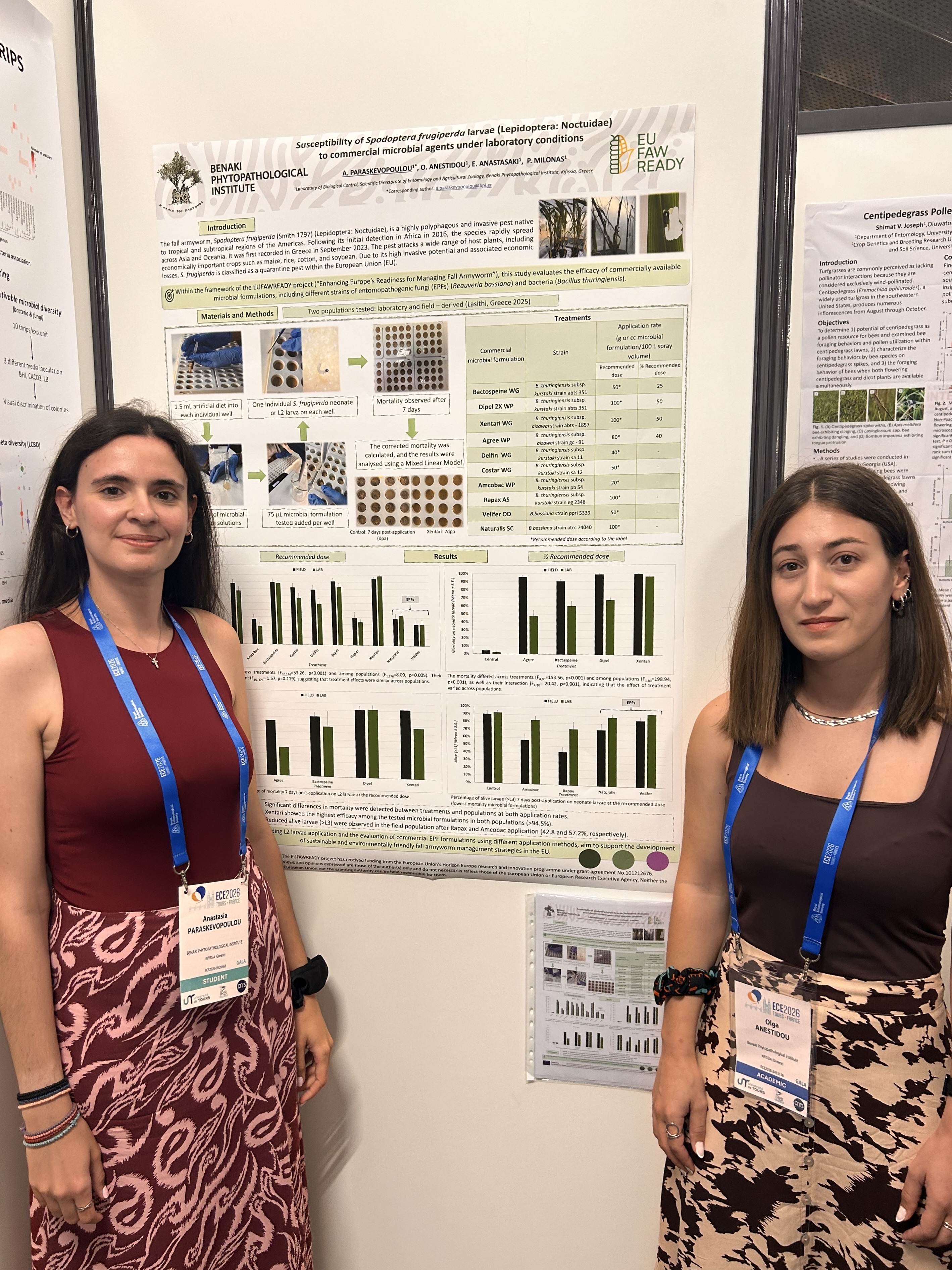
Anastasia Paraskevopoulou and Olga Anestidou (Benaki Phytopathological Institute) held another poster presentation showing how the FAW larvae respond to natural microbial agents under laboratory conditions.
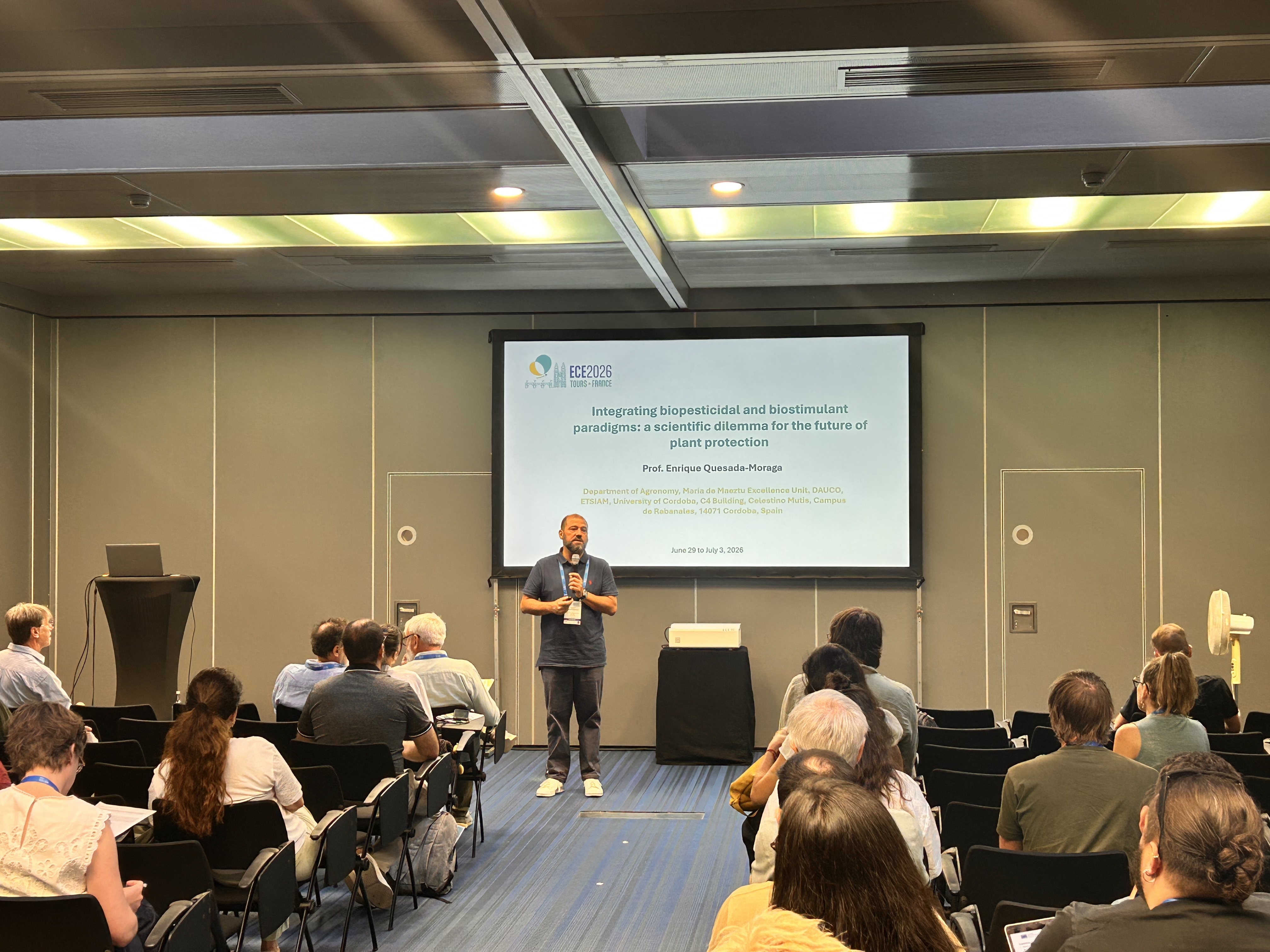
Enrique Quesada Moraga (University of Córdoba) talked about combining biopesticides and biostimulants for the future of plant protection.
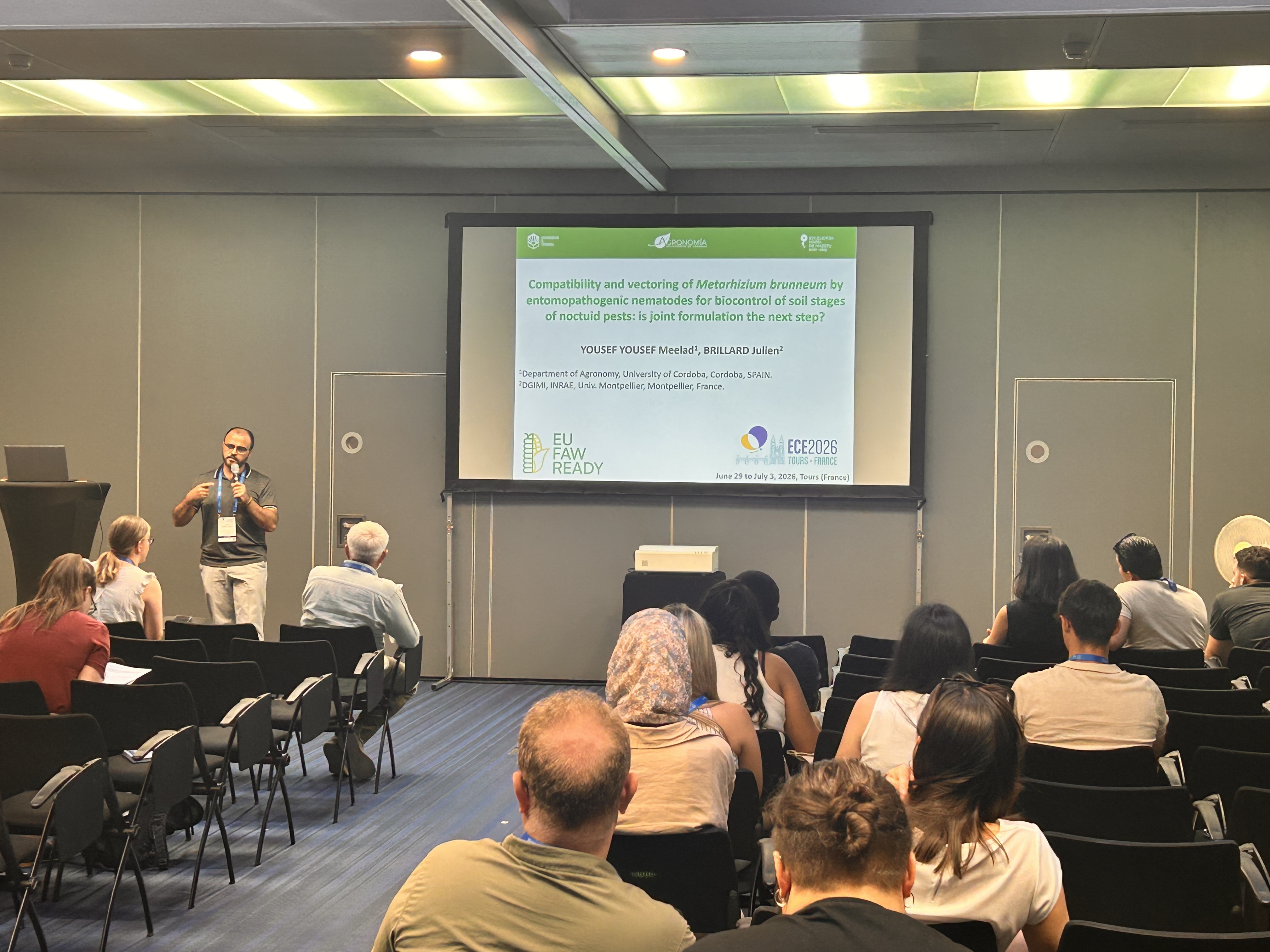
Yousef Meelad (University of Córdoba) discussed the possibilities of beneficial soil roundworms (entomopathogenic nematodes) safely carrying a natural fungus (Metarhizium brunneum) as nature-based pest control against moth caterpillars hiding in the dirt.
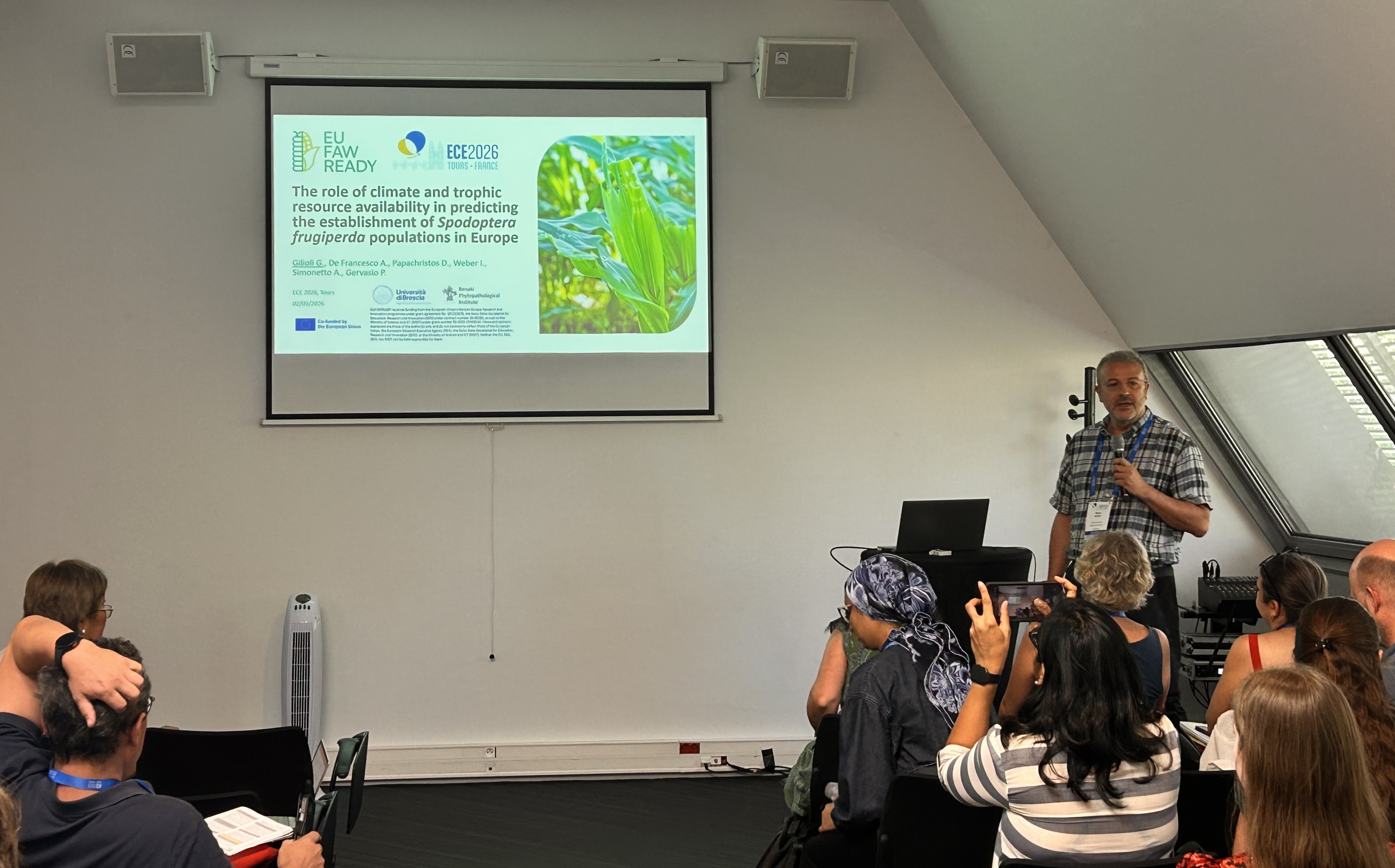
Gianni Gilioli (University of Brescia) focused on how weather and food availability help predict where the FAW might settle in Europe.
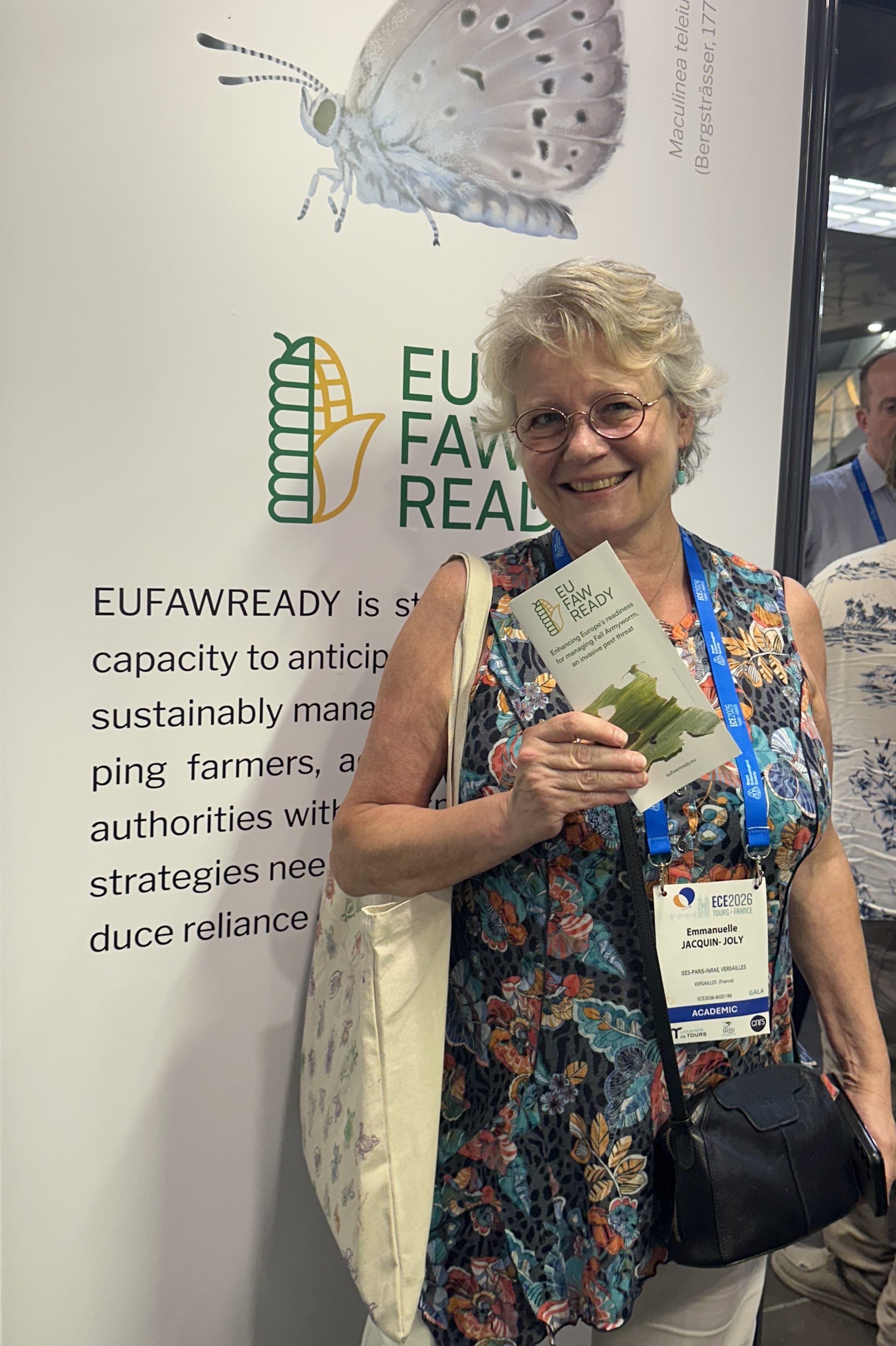
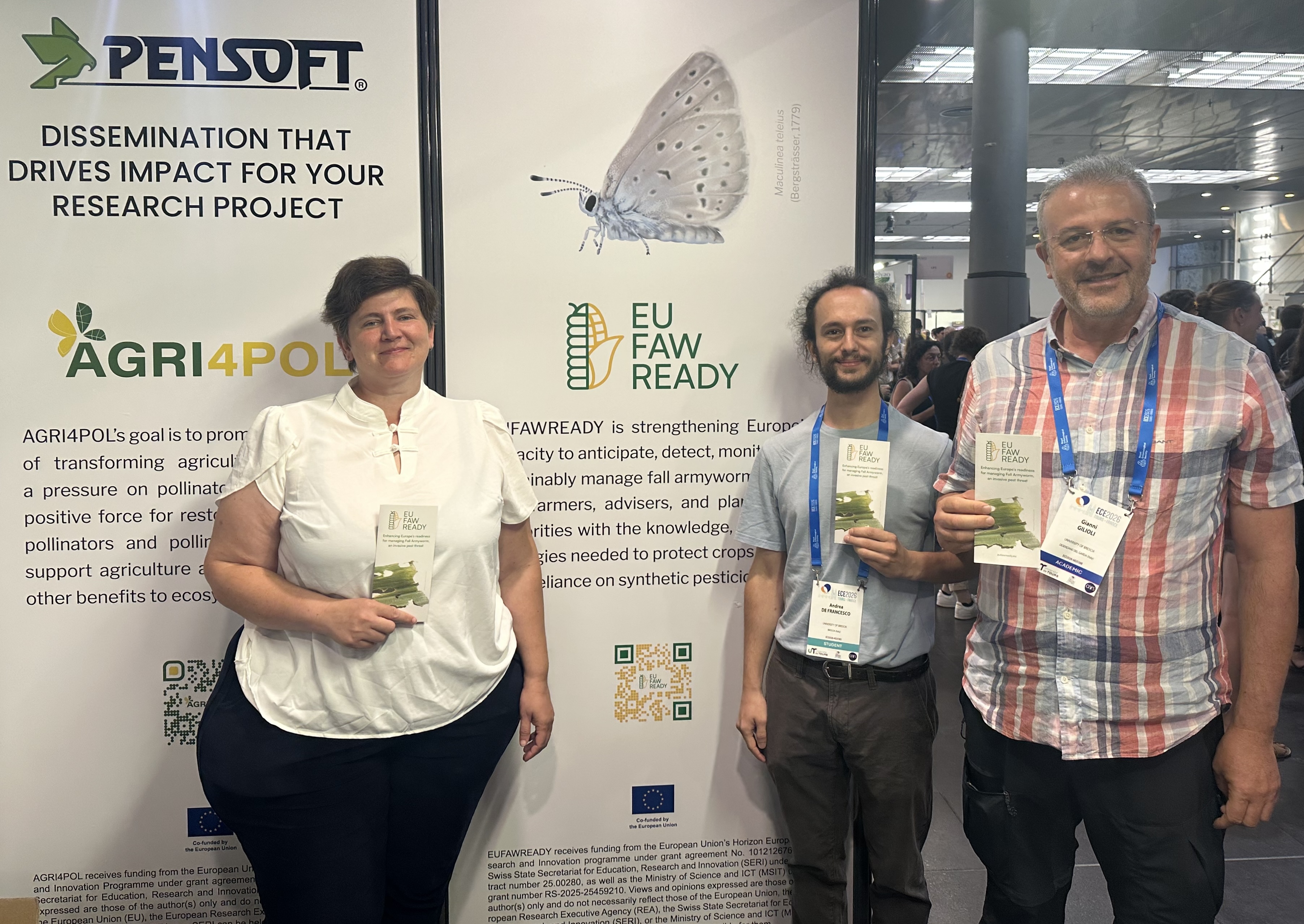
Besides the focused sessions, some of EUFAWREADY’s promotional and informative materials were available at Pensoft’s booth throughout the whole duration of the event, which was another great opportunity for many enthusiastic entomology experts to learn more about the project’s objectives.
Thank you to all partners who shared their inspiring work and made an impact on the European entomological community!
Stay tuned for more project updates and follow us on LinkedIn and Bluesky, as we have just resumed the social media campaign introducing the consortium.